Plugin implementation
Modified AL architecture for plugins management and execution
Figure 2 depicts the modified AL architecture for enabling the use of plugins. It introduces new components:
The C wrappers for plugins management
The plugins API
The plugin interface
The C++ plugins
From now on, the Low Level C wrappers call the Plugins API functions. The LL API is remained unchanged.

Figure 2: Modified layered AL architecture model for plugins orchestration
The C wrappers for plugins management
Figure 3 displays the list of new C wrappers for plugins management and the new plugins API. The latter includes:
functions for plugins management (registering and binding to a node)
functions which allow plugins to override the behavior of the LL data access functions
In the new AL plugin architecture,ens-user APIs call the current C wrappers, which call
the new plugins API, which in turn call the plugins if they are registered and
bound to at least one node of the DD. For example, the
al_begin_global_action(...) function calls the new plugins API
beginGlobalActionPlugin(...) function of the plugins API. The functions
al_read_data(...) and :code:``al_write_data(...)` delegate to the
``readDataSPlugin(...)
and writeDataPlugin(...) plugins API
functions.
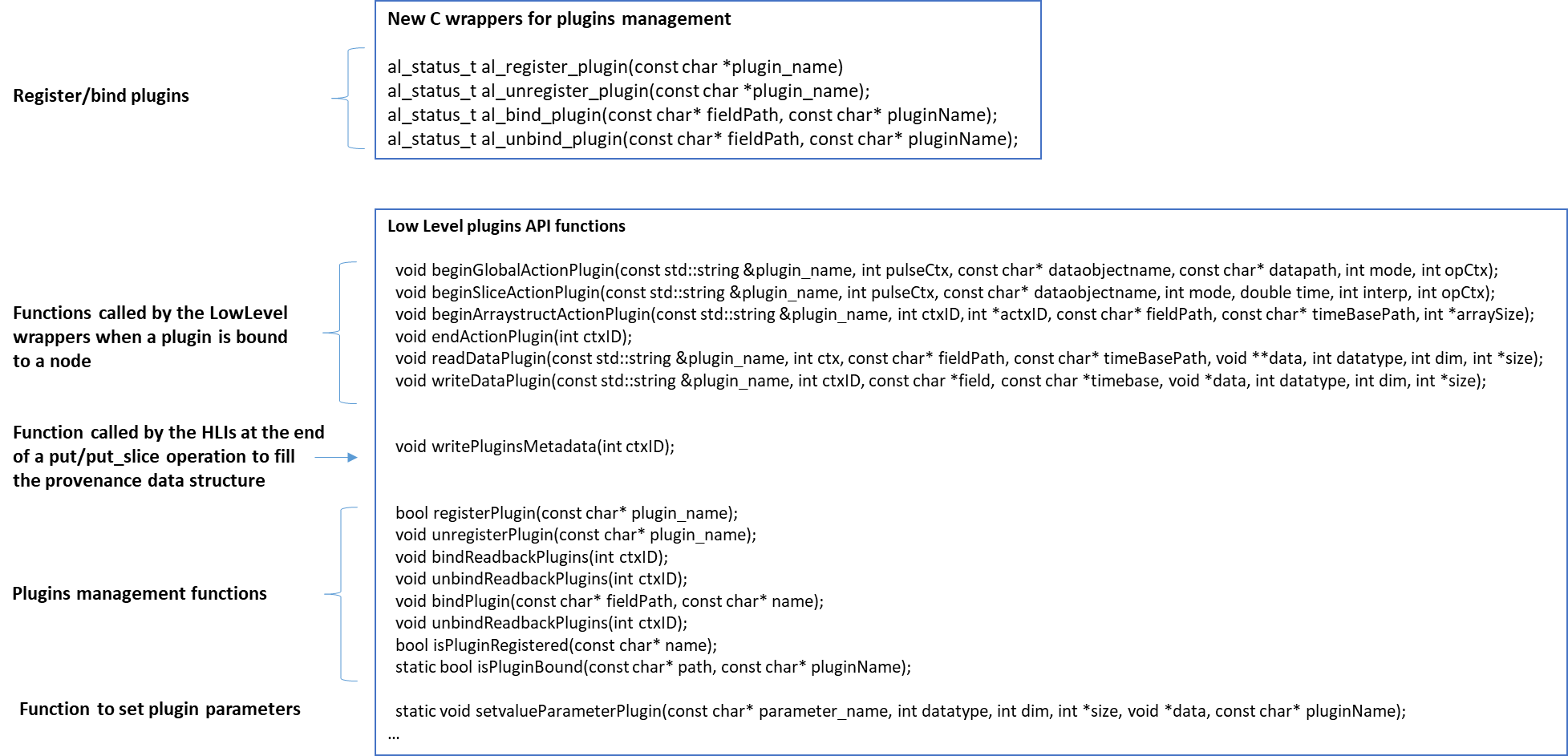
Figure 3: The new C wrappers for plugins management and the new plugins API
Since the plugins API functions located in the LL C++ layer are not accessible from theens-user APIs, the new C wrappers depicted in Figure 3 allow for accessing some plugins API functions fromens-user APIs. These functions are mainly devoted to plugin registering and activation, features supported by the plugins API described in the next section:
The
al_register_plugin(...)wrapper (resp.al_unregister_plugin(...)) delegates to the dedicated C++registerPlugin(...)(resp.unregisterPlugin(...)) function from the plugins API.The
al_bind_plugin(...)wrapper (al_unbind_plugin(...)) delegates to the dedicated C++bindPlugin(...) (resp. ``unbindPlugin(...)`) function from the plugins API.
The Plugins API and the low level holder plugin class
Figure 4 depicts the LLplugin plugin holder class.

Figure 4: The plugin holder class (LLplugin)
Plugin registration
Among the plugins API functions (Figure 3), we find
registerPlugin(plugin_name) (unregisterPlugin(plugin_name))
which creates (resp. destroys) a plugin instance from a C++ class located in a
shared library (.so). The registerPlugin(...) function creates a
LLplugin object for holding the plugin instance using the
al_plugin pointer attribute defined in the LLplugin class (see
Figure 4). The LLplugin object is then stored in a static map (named
``LLplugin``sStore) of the LLplugin class. This map allows the
plugin framework to retrieve the plugin later using the name of the plugin as a
key (plugin_name function argument).
Plugin activation
Once a plugin is registered, it is available from the plugins framework as long
as the AL process is running and as long as users have not called the
unregister_plugin(...) C wrapper. However, during put/get operations,
the AL plugin framework will ignore a registered plugin not bound to any DD
node. To activate a plugin, anens-user API code bounds the plugin to at least one
particular IDS node using the al_bind_plugin(...) wrapper. This function
updates the boundPlugins static map of the LLplugin class, adding the name
of the plugin to a list which is mapped to the identifier of the DD node (the
identifier is the path to the node). To disable a plugin,ens-user APIs use the
al_unbind_plugin(...) function which removes the plugin name from the
list hold by the boundPlugins map.
Unregistering a plugin using al_unregister_plugin(plugin_name) will
remove the LLplugin object from the LL store LLpluginsStore and
destroy the underlying plugin instance.
Calling plugins from the Low Level
All plugins API functions in Figure 3 (except functions for plugins
registering/activation) call plugins operations from the plugin
interface described in the next section during LL operations. For
example, the beginGlobalActionPlugin(...) function calls the
begin_global_action(...) function of the plugin interface. More details
are provided in sequence diagrams presented in section get() sequence diagram and put() sequence diagram.
The Access Layer plugin interface
When creating a plugin, the plugin class has to inherit from the
access_layer_plugin interface and implement each (pure virtual)
operation declared in this interface (see access_layer_plugin.h).
The begin_global_action(...) (resp. begin_slice_action(...)) functions are
plugins operations called when theens-user API calls al_begin_global_action(...)
(resp. al_begin_slice_action(...)). These functions allow developers to
initialize the plugin before iteration of the IDS nodes performed by the
HLI. For example, during a slice operation using get_slice(...) or
put_slice(...), the begin_slice_action(...) allows to store in the plugin
object the time of the slice and the interpolation method to perform the
slice.
The node_operation(const std::string &path) function returns the type of
operation applied to the data node (located at the value given by the
path argument) by the plugin. This function must return one of the
following value: plugin::OPERATION::GET_ONLY,
plugin::OPERATION::PUT_ONLY or plugin::OPERATION::PUT_AND_GET. The
node_operation(...) function, called by the plugins framework, has several
purposes:
It allows the plugins framework to sort the plugins that are contributing to the
get/get_sliceoperation,put/put_sliceoperation, or both. Only plugins returningplugin::OPERATION::GET_ONLYorplugin::OPERATION::PUT_AND_GETare added to theids_properties/plugins/get_operationdata structure during aget/get_sliceoperation. Moreover, only plugins returningplugin::OPERATION::PUT_ONLYorplugin::OPERATION::PUT_AND_GETare added to theids_properties/plugins/put_operationdata structure during aput/put_sliceoperation.The plugins framework will call the plugin operation
read_data(...)for a given IDS node path only if thenode_operation(...)function returnsplugin::OPERATION::GET_ONLYorplugin::OPERATION::PUT_AND_GETfor this path.The plugins framework will call the plugin operation
write_data(...)for a given IDS node path only if thenode_operation(...)function returnsplugin::OPERATION::PUT_ONLYorplugin::OPERATION::PUT_AND_GETfor this path.
The read_data(...) and (resp. write_data(...)) allows a plugin to
intercept a data pointer coming from/going to the backend to read or modify it
on the fly. This documentation provides some plugins examples to illustrate the
use of these functions.
Calling low level data access API functions from plugin code
New C wrappers allow plugins to call LL data access operations (the
latter should not be called by plugins code to avoid infinite
recursion). These functions have the same name that the existing
counterpart AL wrappers with prefix al replaced by al_plugin
(Figure 6).
void al_plugin_begin_global_action(const std::string &plugin_name, int pulseCtx, const char* dataobjectname, int mode, int opCtx);
void al_plugin_slice_action(const std::string &plugin_name, int pulseCtx, const char* dataobjectname, int mode, double time, int interp, int opCtx);
void al_plugin_arraystruct_action(const std::string &plugin_name, int ctx, int *actxID, const char* fieldPath, const char* timeBasePath, int *arraySize);
void al_plugin_read_data(const std::string &plugin_name, int ctx, const char* fieldPath, const char* timeBasePath, void **data, int datatype, int dim, int *size);
void al_plugin_write_data(const std::string &plugin_name, int ctxID, const char *field, const char *timebase, void *data, int datatype, int dim, int *size);
Plugins orchestration
A registered and activated plugin (see Plugin activation) will be called
by the LL whenever a get()/get_slice() or put()/put_slice()
operation is performed by anens-user API. The next sections describe the dynamic of
plugins calls during a get()/get_slice() or a put()/put_slice()
operation through sequence diagrams.
get() sequence diagram
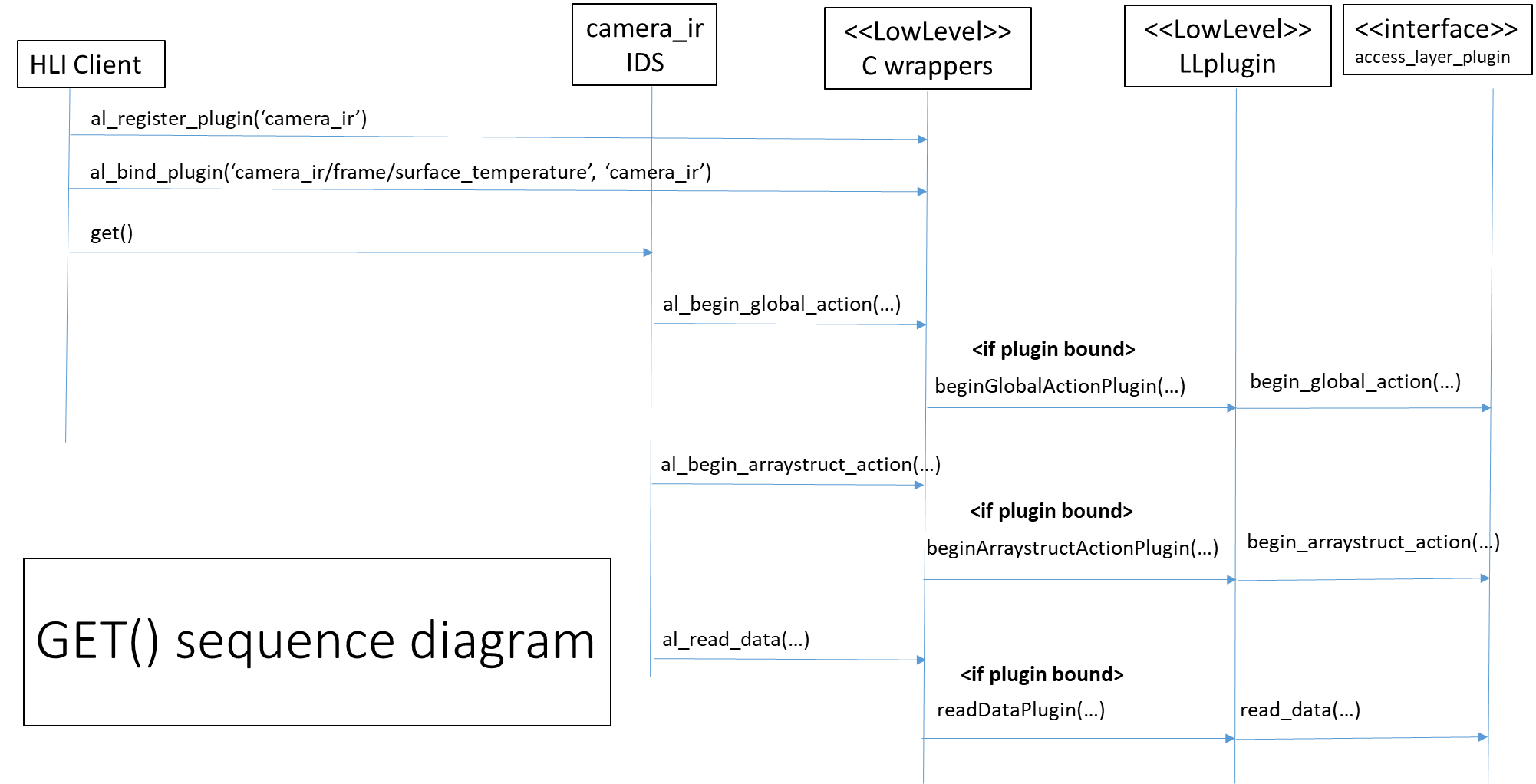
Figure 7: get() operation sequence diagram
Figure 7 depicts an example of the get() operations sequence of a
camera_ir IDS using the camera_ir plugin developed at WEST. The
client code usesens-user API operations to read data of a camera_ir IDS. In
the first two calls, the client registers the plugin and binds it to the
node identified by the path camera_ir/frame/surface_temperature, then
the AL API get() operation is called on the camera_ir IDS object (the
preliminary operation for creating the IDS object is not shown in the
figure). The al_begin_global_action(...) function calls first the
beginGlobalActionPlugin(...) function of the plugins API (whatever the
node to which the plugin is bound) which in turn calls the
begin_arraystruct_action(...) of the plugin interface. Similarly, each
call to al_begin_arraystruct_action(...) generates first a call to
beginArraystructActionPlugin(...), followed by a call to the
begin_arraystruct_action(...) function of the plugin interface.
If several plugins are bound to the same IDS node, the plugin
framework will iterate over each plugin and call the appropriate plugin
interface function for each plugin sequentially. The iteration order
follows the order in which plugins bindings have been performed by the
HLI client using al_bind_plugin(...).
put() sequence diagram
The put() sequence diagram (Figure 8) is quite similar to the get()
sequence diagram. The example uses the camera_ir_write plugin
described later in this document.
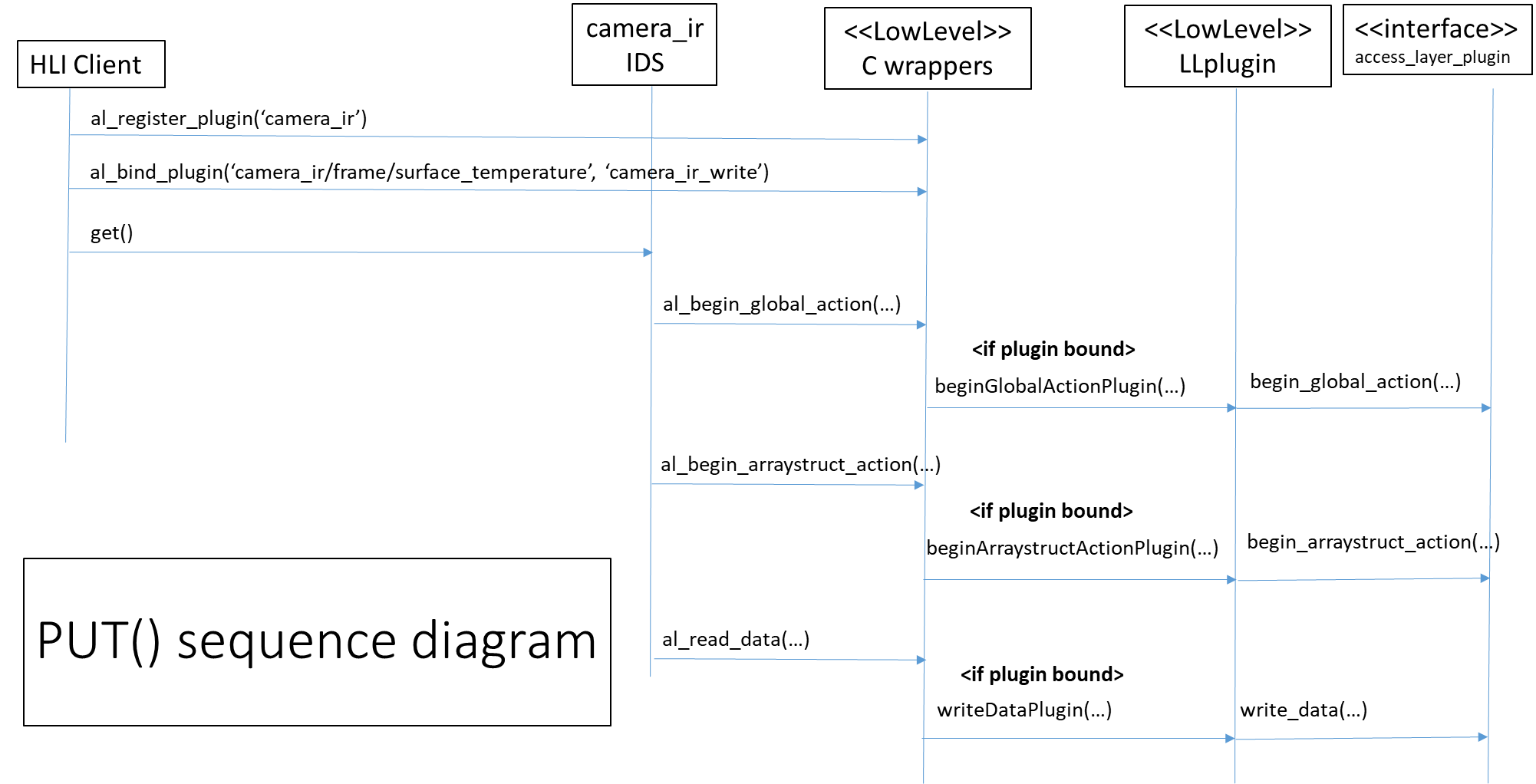
Figure 8: put() operation sequence diagram
Note that the wrapper al_begin_arraystruct_action(...) is called in this
modified AL plugin architecture even if the corresponding array of
structure (AOS) has a 0-shape (this is not true for the previous AL
architecture whereens-user APIs were not calling al_begin_arraystruct_action(...)
if the AOS was found to be empty). The reason is to make plugins able to
write/update the size of AOSs.
Access Layer plugin provenance
Recent versions of the Data Dictionary store information concerning plugin provenance.
To take into account these change, we have defined new plugins requirements with
the provenance_plugin_feature and the readback_plugin_feature interfaces
(Figure 8). Moreover, in order to extend the ability of the LL to accept any
type of plugins, we have introduced a new access_layer_base_plugin interface.
The latter is more general and does not hold the read/write data access and
readback requirements.
It may be necessary to define readback plugins that can read data
written by other plugins. For instance, the camera_ir_write plugin
(used currently on WEST) writes compressed data of the camera_ir IDS
to the backend. In order to read these data during a get() or
get_slice() operation, the camera_ir_write plugin implements the
readback_plugin_feature interface, which provides information to the
Access Layer about a readback plugin capable of reading and
uncompressing the data. For this example, the camera_ir readback
plugin is able to read and decompress data stored by the
camera_ir_write plugin, providing uncompressed data to theens-user API. The
name of the readback plugin is obtained using the
getReadbackName(const std::string &path, int *index) function of the
readback_plugin_feature interface for a given IDS node path. It is worth
noting that several plugins can be applied to the same IDS node path,
and the index parameter indicates which readback plugin should be
used. For instance, if two readback plugins are defined for the same
node path, a value of 1 for the index parameter indicates that the
plugin should be applied after the plugin defined at index=0.
During a put()/put_slice() operation, the readback
informations specified by the readback_plugin_feature interface are
stored in the backend. These data are read during a get()/get_slice()
operation and used to bind and execute the readback plugins.
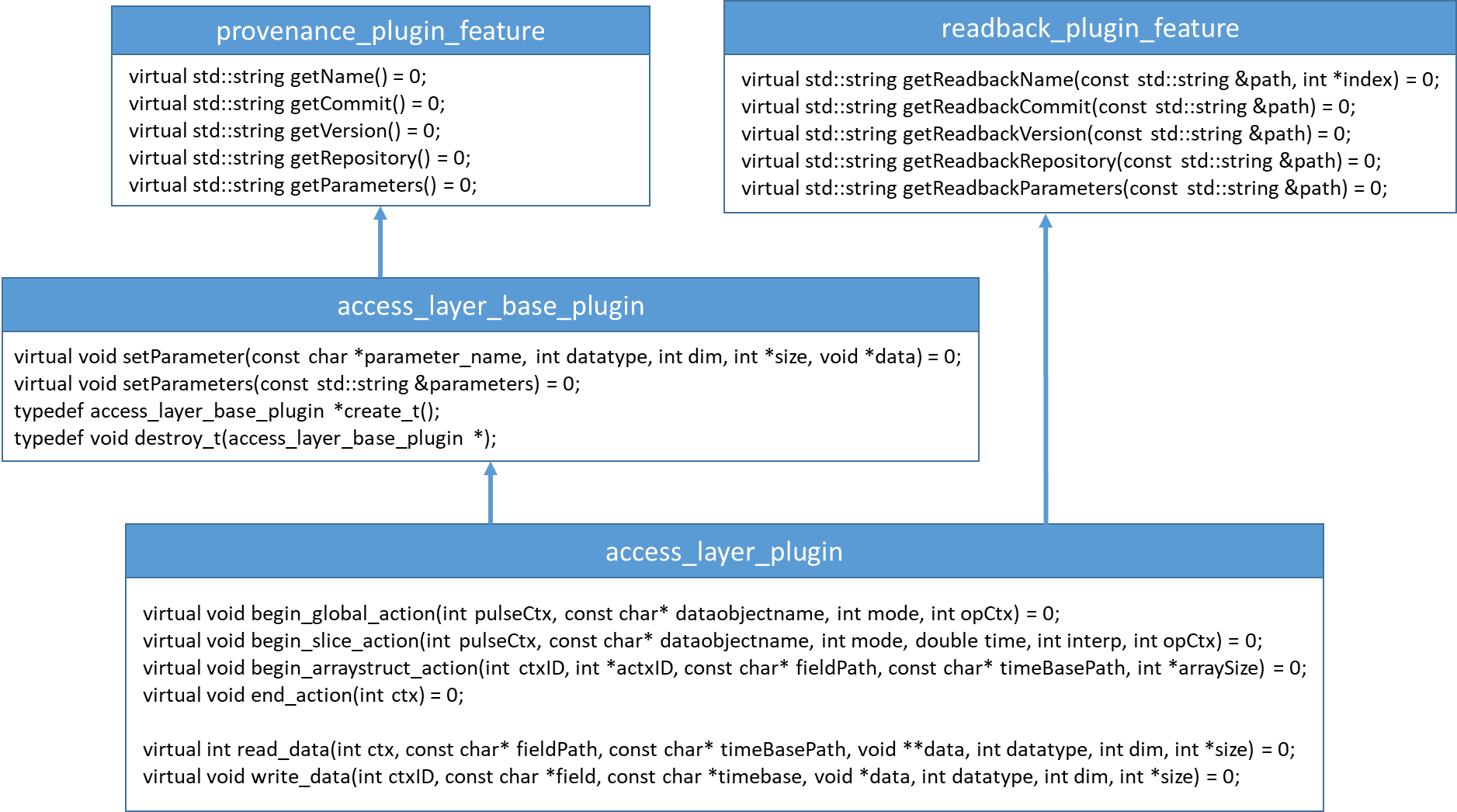
Figure 9: The provenance_plugin_feature, readback_plugin_feature
and access_layer_base_plugin interfaces